
Trying to find Must Visit Holocaust Sites?
I am here to help.
I live in Europe and have been visiting Holocaust sites for over 10 years to pay my respects and learn more.
It is so important to never forget the actions that happened in the Holocaust and to make sure it never happens again. This message is echoed constantly by those who survived.
This is why it is so important to visit Holocaust locations when in Europe.
However, there are hundreds of sites to visit- so which ones can you not miss?
Auschwitz, Anne Franks House and Omaha Beach are obvious choices but there other ones I seriously recommend adding to your itinerary.
So let’s take a look at the must-visit Holocaust memorial sites across Europe, the best tours of concentration camps and why you need to visit them.
The Best Tours To Book At A Glance
Ready to book your tour to the must-visit Holocaust sites in Europe?– It’s a good idea because they sell out quickly
These are a few of the best tours of Holocaust sites you should consider booking:
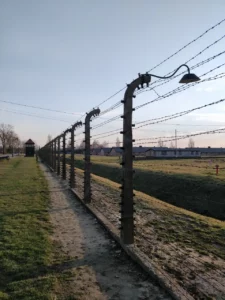
Majdanek Concentration Camp & Lublin Full-Day Private Tour
⭐⭐⭐⭐⭐ ( Over 41 Reviews)
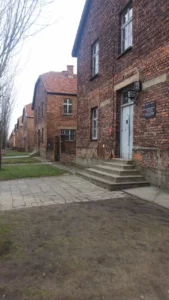
Auschwitz Birkenau Tour With Private Transport
⭐ Rating: 5 out of 5 (18 Reviews)
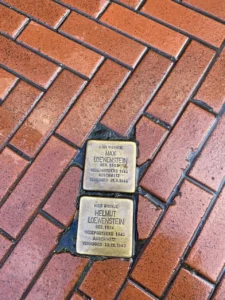
Anne Frank & the Jewish History of Amsterdam
This is one of the best tours to do in Amsterdam!
5⭐ Rating(+90 Reviews)
The Best Concentration Camps To Visit
Concentration camps are the most popular way to learn about the Holocaust throughout Europe. I have visited many of them across Europe and they all offer a different perspective to your visit.
Not only do they have museums where you can see letters and belongings of those impacted, but the location of them helps visitors try and understand and learn about horrors that happened at them.
There are several camps you can visit across the continent that each have their own history and story.
Here is a list of the best concentration camps to visit in Europe:
1.Auschwitz I and Auschwitz II-Birkenau
2. Dachau Concentration Camp Memorial Site
3. Bergen-Belsen
4. Sobibor
5. Treblinka
Top Must-Visit Holocaust And Memorial Sites Across Europe
- Auschwitz I and Auschwitz II-Birkenau
- Dachau Concentration Camp Memorial Site
- Bergen-Belsen
- Sobibor
- Treblinka
- Ninth Fort
- Ponary, Lithuania
- Riga Ghetto and Latvian Holocaust Museum
- Schindler’s factory
- Empty Chairs Memorial
- Museum of Danish Resistance
- Anne Franks House
- Star Radio Shop, Copenhagen
- Shoes Of The Danube
- Omaha Beach
1.Auschwitz I and Auschwitz II-Birkenau
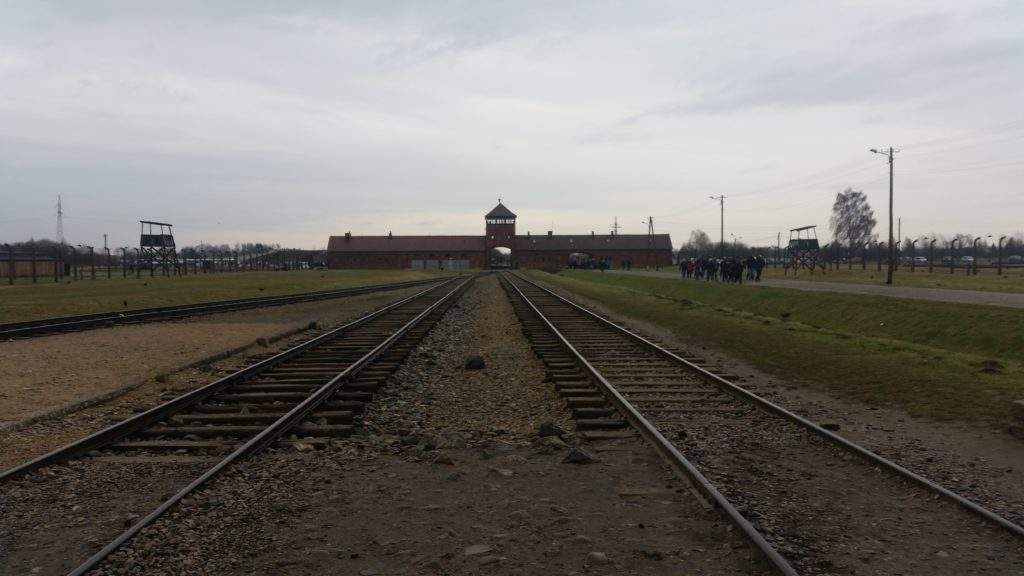
Auschwitz is the most well-known concentration camp around the globe and is one of the most visited Holocaust sites across Europe.
My visit here was not only incredibly emotional but helpful in understanding the lives of those impacted.
The former Concentration Camp is now a memorial and museum in honour of those who lost their lives here. A visit here includes seeing the remains of the concentration camp and the belongings of those who were forced to survive there.
I have read multiple Holocaust survivor books but seeing the site in person was a totally different experience.
If you are like me and are worried about how emotional this place can be try not to worry, the guides and staff here are amazing.
There are lots of options for how you visit Auschwitz but I would recommend paying for a guided tour of this camp. For around £30 PP/ 41 USD/ 35 Euros, you can buy a tour from Krakow to visit Auschwitz.
✔️ THIS IS THE TOUR I Recommend Of Auschwitz and the One I Booked For My Visit!
Many of the tours include transport, lunch and a local guide. This will make your visit to Auschwitz a lot more smoother and less stressful.
However, this is one of the most popular holocaust museums to visit so make sure you book in advance!
The tours come in lots of different languages and the educators have knowledge of the history of the camp, survivors’ stories and research being done.
However, if you want to do an unguided tour it is free but you have to reserve a slot which is in the Afternoon.
If you do not reserve a slot there is a high possibility you won’t be able to visit on the day you turn up.
The self-guided options used to be the best option if you are on a budget as you could use the local bus or train services from Krakow (which takes just over an hour).
But it does mean you have to arrange your tickets and tour yourself and now you can get tours that are cheaper than doing it self-guided.
Just remember to be prepared because the weather can be harsh in the town of Oświęcim, where both the Auschwitz camps are.
2. Dachau Concentration Camp Memorial Site
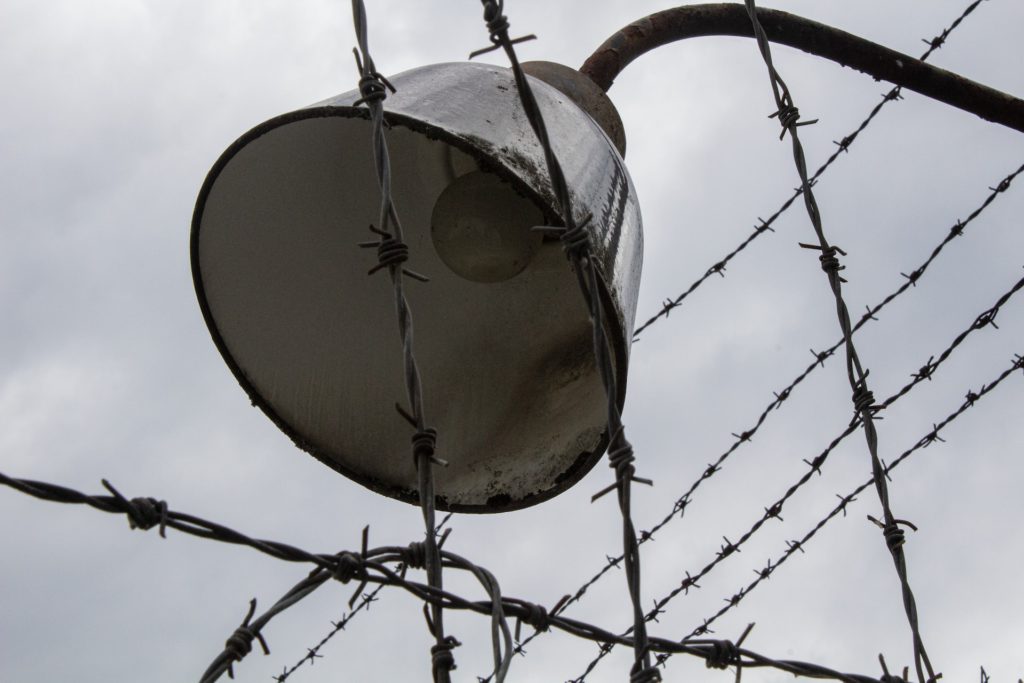
Visiting the Dachau Concentration Camp Memorial Site is a must for anyone wishing to learn more about this dark period in history.
It’s an undeniably emotional experience that can be overwhelming, but it’s worth it. It’s important to note that even though Dachau was not an extermination camp, the horrors of the Holocaust are still deeply felt here.
Words simply can’t do justice to the sombre atmosphere of Dachau, only visiting and experiencing it first-hand will leave a lasting impression on you.
To get the most out of your visit, I highly recommend booking a guided tour; this way, guides can prepare in advance and/or tailor the tour to meet your needs.
✅ This Tour Is The Best One To Book Of Dachau!
A guided tour is also an incredibly informative experience, as you’ll learn a lot more about the history of this dark time.
The guides provide valuable context that helps visitors understand the significance of Dachau in a way that simply wouldn’t be possible without their knowledge.
3. Bergen-Belsen
If you’re looking for a solemn and meaningful place to learn more about the horrors of the Holocaust, Bergen-Belsen is a must-see.
Located near Celle in Lower Saxony, Germany, it was once one of many concentration camp sites during WWII. It’s now an open memorial and museum dedicated to honouring those who lost their lives during the Holocaust.
A visit to Bergen-Belsen is a powerful experience and provides an in-depth look into this painful history.
You can learn about the importance of human rights, understand what went on inside Nazi concentration camps, and take part in numerous educational activities like guided tours, memorial services, and lectures.
The museum houses a large collection of artefacts, photos, and documents that will help you better understand the Holocaust.
This is also where you will find a gravestone for Anne Frank and her sister, Margot.
The grounds are huge so visitors should pack comfortable shoes for their visit. It’s also a good idea to book a tour with transport, as it can take multiple buses to get from Celle to the camp.
There is a lot of walking here so I do recommend being prepared and bringing water with you.
✅ THIS Is The Best Tour With Transport To Bergen-Belsen!
4. Sobibor
If you’re looking to learn more about the history of the Holocaust, Sobibor is a must-visit destination.
This concentration camp was located in eastern Poland during WWII and it served as an extermination centre for Jews, Roma, Poles and other minorities.
Visiting Sobibor allows us to gain greater insight into one of the darkest periods in human history.
It’s a way to honour the victims and gain an understanding of what they endured. Despite its tragic past, Sobibor has become an important memorial site that serves to preserve memory, provide education, and raise awareness about the Holocaust.
Visiting Sobibor is not easy or straightforward – it requires some preparation and planning.
If you want to go, be prepared to spend at least one full day there. You can find a bus tour going there, rent a car, or take a bus from Warsaw (takes about 3h30min) and then take a taxi from Włodawa (the nearest town, 18km).
It’s recommended to hire a local guide who can drive you and explain the site – what happened, how, and where various facilities or buildings were located. This will make your visit much more meaningful; it’ll provide context for understanding the history of this place.
5. Treblinka
Treblinka is an essential stop for anyone looking to gain a deeper understanding of the Holocaust.
Visiting Treblinka can be a powerful and emotional experience. The camp itself is now a memorial park, with several monuments scattered across the grounds. Many artefacts on display were found when the site was excavated in the late 1940s.
For those who are planning to visit Treblinka, it’s important to come prepared. The site is huge and there is a lot to see, so it’s best to bring lunch and water.
Time hasn’t been kind to this site so it is helpful to go with a knowledgeable guide who can point out the various monuments, artifacts, and other points of interest.
✅ BOOK The Best 5-Star Rated Tour To Treblinka
6. Ninth Fort

This isn’t one of the most well-known holocaust museums and memorials in Europe, but it is slowly becoming more popular.
I think this is one of the best memorials and museums to visit because there is so much to learn here!
My visit to Ninth Fort was incredibly moving and the guides were just so knowledgeable, this is the top Holocaust site I recommend visiting if anyone asks.
The museum and Holocaust Memorial pay honour to the victims of those who were lost here and explain the role of Ninth Fort throughout History. This is an important site in Lithuania that will give you a deeper insight into what happened during this dark time.
The Entrance Fee is 3 Euros/ £2.50/ $3.55 and is discounted for children, students and seniors.
But on the last Sunday of every month, a visit here is free. Guided tours range from 10-15 Euros but it is not essential to do one when you visit here.
However, I highly recommend doing a tour as it helped me learn beyond the displays and hear actual stories from locals.
Visiting Lithuania any time of the year is a great way to understand more about what happened in this part of Europe during World War 2 and the Cold War.
However, there is no heating in the museum and large parts of your visit will be outside
I visited in December and without my coat on it would have been hard to keep warm. So make sure you take a coat in the colder months!
7. Ponary

Ponary/Paneriai is another of Lithuania’s important locations which played a significant role during this dark period in history.
This site of Mass Murder outside of Vilnius is one of the most heart-wrenching and darkest sites in the region.
The Memorials to the over 100,000 Victims is one of the most heartbreaking holocaust sites in the Baltic region.
There is nothing here but the 7 pits surrounded by the woods.
I recommend visiting here because there are not many like it across Europe today. Walking through the forest to visit the memorials reminds you constantly of the horrors that happened in Lithuania during the Holocaust.
A visit here is free and the best way to get here is by renting a car so you are on your own schedule (and it is slightly out of the way).
When I visited it was getting towards the evening so was getting dark which made the experience a bit harder. To fully experience this site and get a better understanding of what happened, I recommend visiting in the early afternoon or in the springtime.
8. Riga Ghetto And Latvian Holocaust Museum

The Riga Ghetto and Latvian Holocaust Museum is not one of the most common destinations for Holocaust education, but I cannot recommend it enough.
This is the best Museum I have visited for learning more about Jewish lives and the Holocaust because the staff are so passionate about making sure that no one ever forgets.
As many focus on the brutality of the Holocaust, this museum also celebrates the lives of Latvian Jews during this time.
From archives to survivor stories, this is one of the best holocaust museums to visit in Europe.
The museum has a wall to honour the victims of the Holocaust. The wall has every single person’s name who died in Latvia during the Holocaust on it, so they are never forgotten.
A visit to the museum is 3-5 Euros and is outside so remember to bring a coat and don’t visit too close to sunset.
A visit to the Riga Ghetto and Latvian Holocaust Museum is somewhere you should consider visiting as it tells every victim’s story before and after the war.
9. Schindler’s factory

The former Oskar Schindler’s Enamel Factory in Krakow, Poland is now home to the permanent exhibition ” Kraków under Nazi Occupation 1939-1945″.
This exhibition is informative and a great addition to anyone visiting other locations across Poland.
The Factory saved over 1200 Jews during WW2 and is a symbol of Human Kindness during these dark times.
A Ticket here is around 19 PLN (£3.50/$4.90/4.20 Euro) and takes around 1.5 hours. This is one of the most popular holocaust museums to visit in Poland and Europe, so tickets sell out fast.
There is a guided tour available but the displays have so much information, it is easy to guide yourself.
I went around the museum alone but regretted not paying for a guide. There is a lot of history and things I missed without one!
10. Empty Chairs Memorial

The Empty Chairs of Krakow is one of the most profound locations with a strong message that will never leave you.
In Zgody Square you will find 70 Bronze empty chairs.
These chairs are a lasting reminder of the furniture left behind as the Jewish Population of Krakow was inhumanly taken.
The Empty Chairs Memorial is free to visit and is a constant, powerful reminder that we shall never let these actions happen again. A visit here does not take long and is worth stopping at if you are visiting Krakow.
The chairs are a constant reminder of what happened during this heartbreaking period of History and that we must never forget. You cannot explore Krakow without missing them!
11. Museum of Danish Resistance
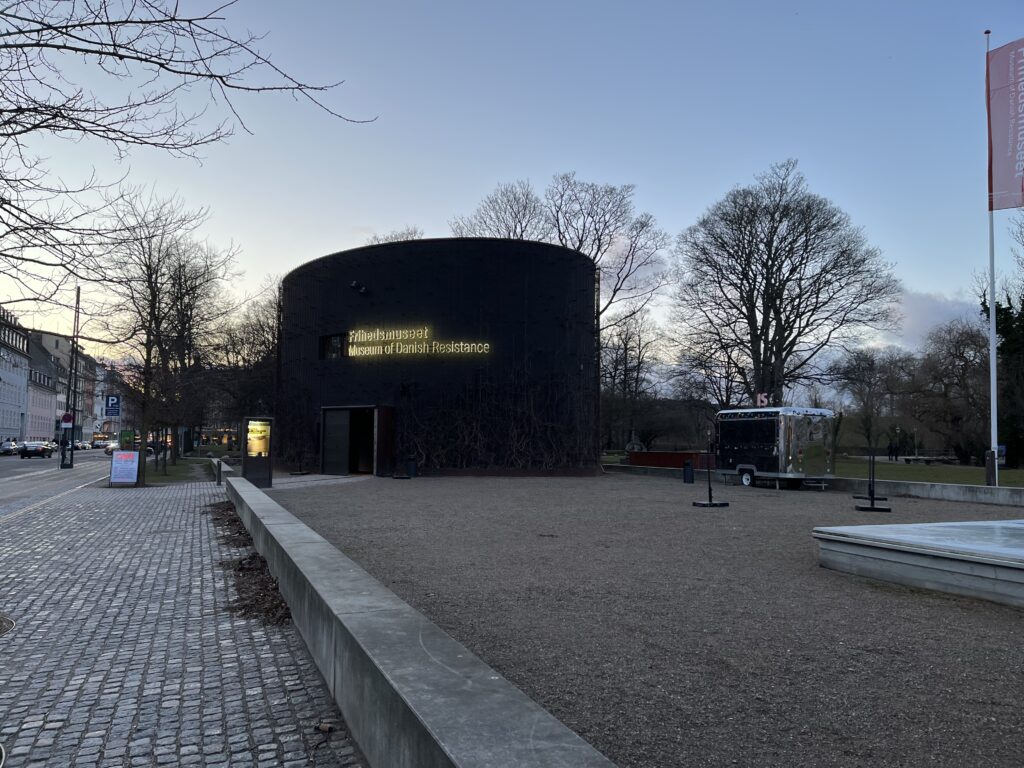
The Museum of Danish Resistance serves as a poignant testament to the courageous efforts of the Danish people during the Holocaust, making it an essential destination for anyone interested in this dark chapter of history.
This museum in Copenhagen encapsulates Denmark’s remarkable resistance against Nazi occupation.
It showcases the collective bravery of the Danish citizens who, through ingenious strategies and solidarity, successfully rescued over 7,000 Jews from deportation to concentration camps.
Visitors will encounter gripping exhibits, personal testimonies, and artefacts that vividly portray the challenges faced by both the resistance fighters and the Jewish community.
A visit here is 120 DKK but anyone under 18 can visit for free!
12. Anne Franks House
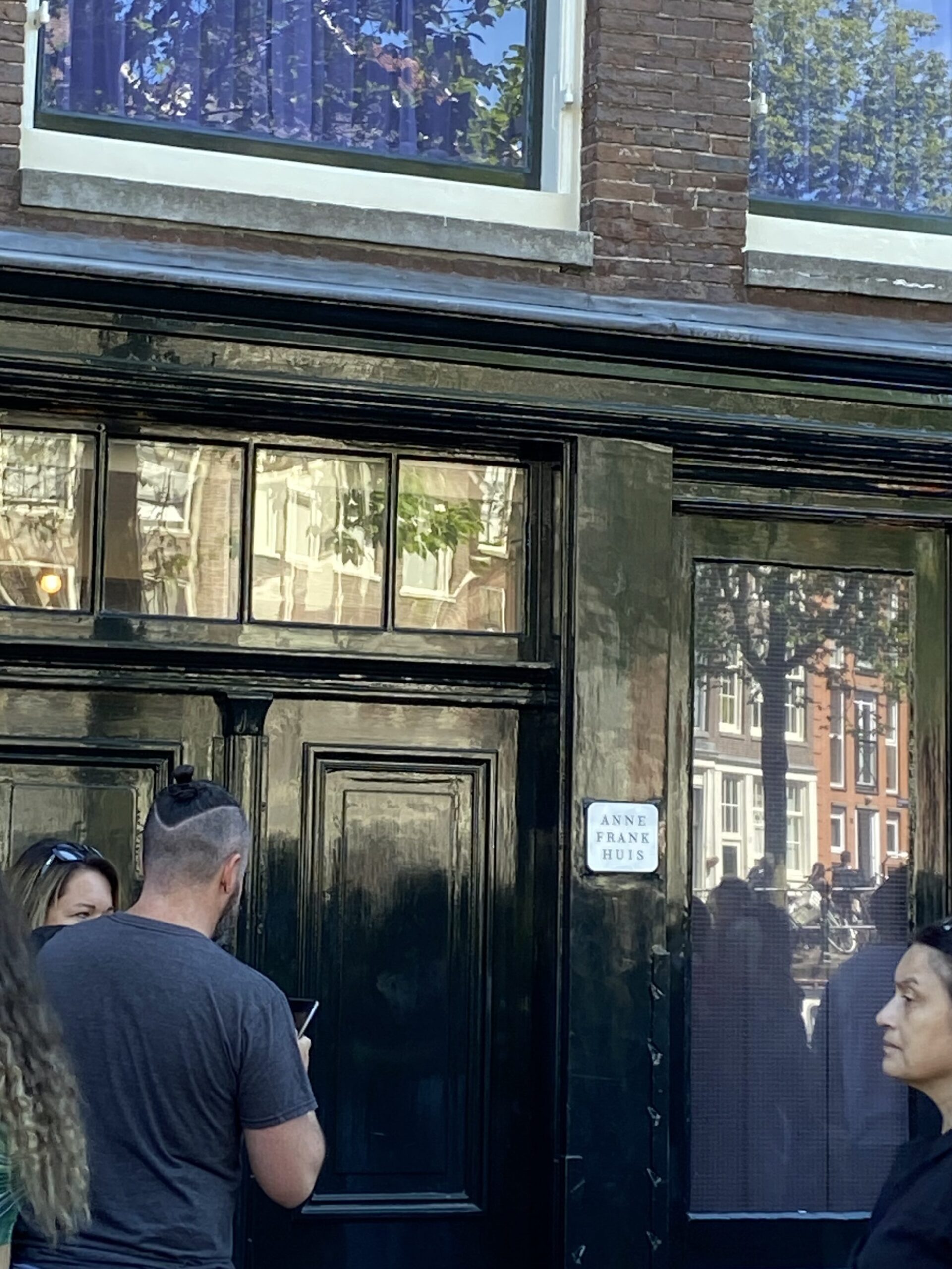
My one piece of advice, book here way in advance!
I live in The Netherlands and have visited here and it is always incredibly busy and booked out. However, do not let this put you off adding it to your itinerary!
The story of Anne Frank is one of resilience and is one everyone refers to when reflecting on the Holocaust.
A visit here not only allows you to see everything she was talking about but also the role of The Netherlands during World War 2. I also appreciated that you do not just learn about this family but the Jewish community in Amsterdam as a whole.
It’s important to remember that this is a Holocaust site and there should always be respect. In the summer months when the sun is shining over the canals and the drinks are flowing, it is not always shown by some visitors.
13. Star Radio Shop, Copenhagen
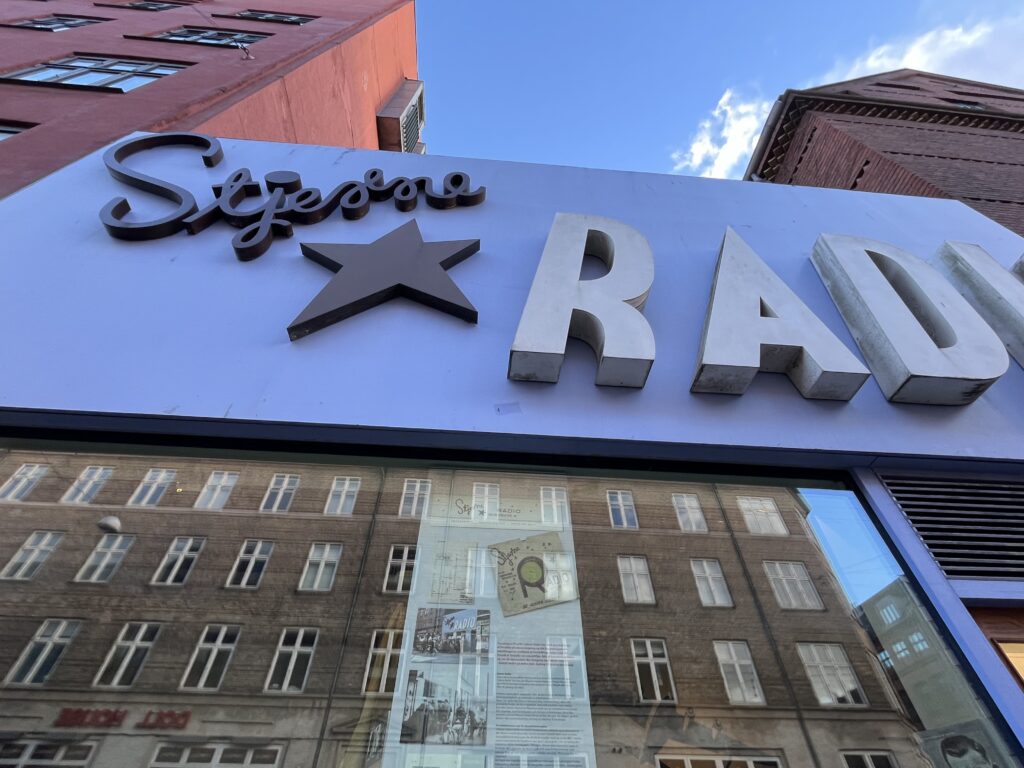
I visited this spot on a tour of Copenhagen on my last trip and you would walk past it if you didn’t know it was there!
My Copenhagen resident guide told me about this radio shop where the Danish Resistance met and you can see their equipment, photos and set up through the shop window.
The location is a symbol of the resistance and is in the Vesterbro area behind the train station.
The actual street the shop is on held off the Nazis longer than the Danish government at the time. They surrendered within 5 hours where as this street blocked itself off from the rest of the city for some time.
🏆 THIS IS THE TOUR I DID & My Guide who lives in the area made it so much better!
14. Shoes Of The Danube
The Shoes of the Danube, along the banks of the iconic river in Budapest, stands as a poignant and essential Holocaust memorial, making it one of the most impactful sites for those interested in commemorating this dark chapter of history.
Not far from the Hungarian Parliament, You will find just 60 pairs of iron shoes in all sizes. These shoes pay respect to the Hungarian Jews who were shot on the banks of the Danube River by the Arrow Cross Party.
Visiting this site is a profound and touching experience but just notice there is very little information here.
For the best experience, I highly recommend booking a tour with a local guide. Not only can it provide invaluable context but it enhances the overall understanding of the memorial.
15. Omaha Beach
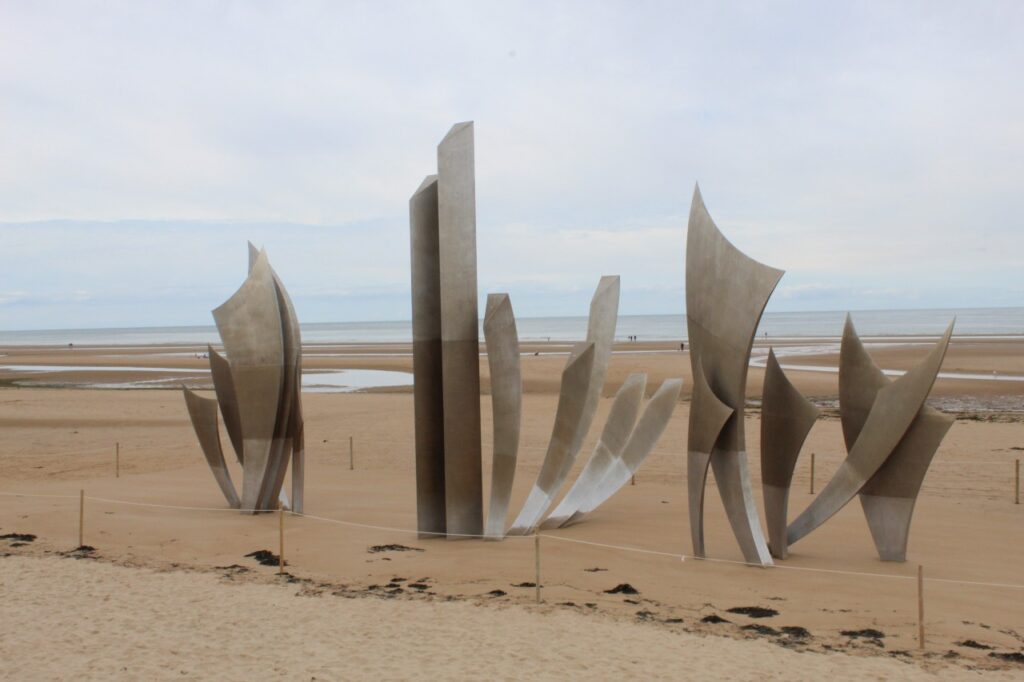
Omaha Beach, a pivotal site in World War II history, stands as an essential destination for those keen on understanding the events of the war and the Holocaust.
As one of the five landing zones during the Normandy Invasion on D-Day, June 6, 1944, the beach witnessed significant sacrifices and heroism. I have visited a lot of WW2 sites and this one in Normandy is one of the best to visit.
Beyond its historical significance, the area surrounding Omaha Beach offers a wealth of activities for enthusiasts.
The Normandy American Cemetery and Memorial, located nearby, honours the fallen soldiers and provides additional context to the events. Museums and informative exhibits delve into the strategic importance of the beachhead.
There is so much to do here I recommend you dedicate a few hours or an entire day to Omaha Beach and its surroundings. It’s also super handy to hire a car in this area because it will help you get to more locations faster.
Tips for visiting concentration camps and other sites
Book guided tours when you can:
Many of the concentration camps and other locations are challenging to explore on your own.
Booking a tour not only helps you understand what you are looking at but also more context about local lives and learn things you wouldn’t be able to alone.
You can also get guided tours pretty cheaply too!
Be prepared for the weather:
I will warn you now, ALL of these Holocaust places are freezing in the winter. They are also boiling in the summer.
And you will find nowhere to escape it easily. So dress for the weather and be prepared with extra suncream or layers. And if you can’t handle the extreme weather, visit around May.
Photography Etiquette:
Follow any photography guidelines provided by the site. In some places, photography may be restricted or prohibited in certain areas. Avoid taking selfies or smiling photos at solemn locations.
Stay on Designated Paths:
Adhere to marked paths and designated areas. Many of these sites are preserved for historical accuracy, and wandering off can be disrespectful and may cause damage.
Understand you will be exhausted afterwards:
Visiting any of these places will be emotionally taxing and it’s perfectly normal to feel like this- I always do!
I recommend allowing yourself the space to process your feelings and not plan many other activities for that day.
Frequently Asked Questions About Visiting Holocaust & WW2 Sites
I’m sure you have a few more questions about visiting concentration camps and other Holocaust memorial sites around Europe.
To help you out, here are the most asked questions visitors have:
No, you do not need tickets for Dachau. Admission to the memorial site is free of charge, but visitors are encouraged to book their tour ahead of time as space on guided tours may be limited.
You can make a reservation online by filling out a request form at the Bavarian State Memorials website. Guided tours are available in a number of languages and last 2.5 hours.
No, there is no specific dress code when visiting Holocaust sites or concentration camps.
However, visitors should maintain a respectful attitude and appropriate attire.
It’s recommended to avoid wearing offensive clothes that could be seen as disrespectful. For more information, please contact the site host before planning your visit.
Yes, visiting Auschwitz can be a difficult experience. It’s an incredibly powerful place that stirs strong emotions and memories of the tragic history of the Holocaust.
One of the best ways to prepare for any visit to Holocaust sites is to read survivor stories so you can understand the events that happened at the sites before your visit.
Children under the age of 14 should not visit the site of Auschwitz as it is not only an emotional visit but somewhere where respect needs to be shown at all times.
The rules and security around what you can bring to Auschwitz are strict. You cannot bring in a backpack or handbag that is bigger than 30x20x10 cm.
Lockers are provided for storing larger items. Please ensure you follow the site’s rules to as you may not be allowed to enter the memorial site.
Photographs are allowed to be taken at Auschwitz but there are a few places around the memorial where you cannot. If you plan to take any photos here, make sure you are respectful when doing so.
There are a few airports that you can fly into to visit Auschwitz. The most popular ones to use are Krakow Balice (KRK) and John Paul II International Airport (KRK).
Must visit Holocaust sites in Europe Final Thoughts
It is so important to never forget what happened during the Holocaust. This is why I have dedicated my travels for over 10 years to learning more about it.
Visiting these sites will make sure no one’s story is ever forgotten. Make sure you use this guide of must-visit holocaust sites to continue learning more.
And if you are unsure of which tours to book, this tour of Auschwitz is one of the most popular and highly rated.
I hope you found this article useful! To help you explore more of Europe, here are some more relevant articles:
✔️ Driving In France- The Kit You NEED
✔️Krakow At New Year: The Complete Guide Of Best Things To Do & See
✔️The Best Backpack For All Types Of European Travel
✔️The Best Cabin Baggage For Ryanair Flights

Lowri Thomas is the founder of Many Other Roads. She lives and travels in Europe and has explored more than 40 countries. She is joined on her travels with her dog Scout and they explore Europe mostly by road. Born in Wales, she also shares the best things to do in Wales, UK and beyond. She helps over 50,000 people per month plan epic Europe adventures and road trips.


